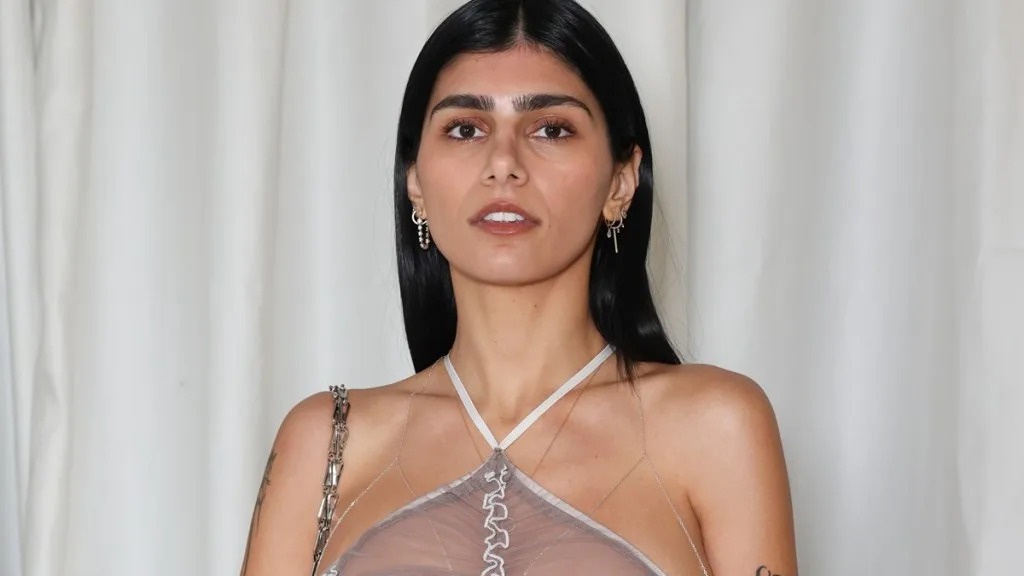
In the age of social media, where personal branding can be built—or dismantled—overnight, few public figures embody the long-term consequences of digital exposure more clearly than Mia Khalifa. Now in her early thirties, Khalifa has become a prominent voice in discussions about online identity, autonomy, and the realities faced by young women navigating internet fame.
Her advice to those considering entering the adult entertainment industry is often described as surprising—not because it is extreme, but because it is measured, reflective, and grounded in lived experience rather than outrage or moral judgment.
A Short Career With Long-Lasting Consequences
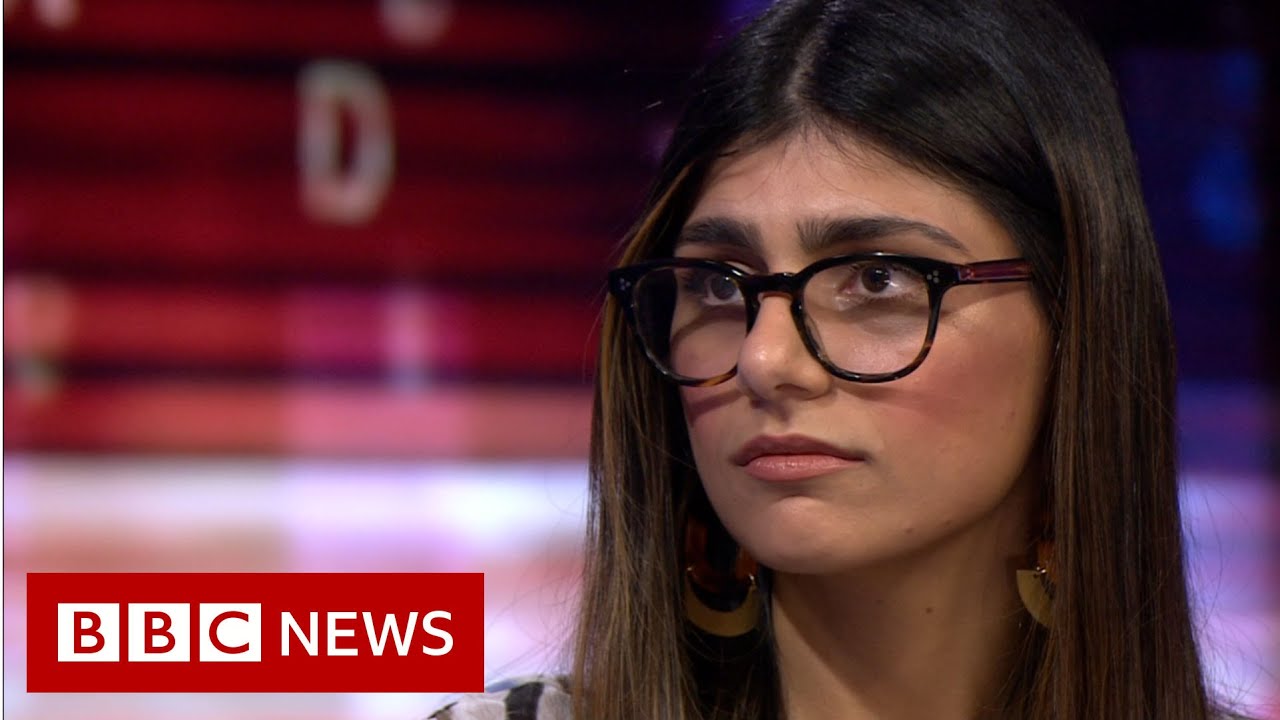
Khalifa entered the adult film industry in 2014 at the age of 21 after being scouted in Miami. Her time in the industry was brief, lasting only a few months. However, the visibility she gained during that period far exceeded what most participants in the industry experience, propelling her into international recognition almost instantly.
What followed was not gradual fame, but a sudden and overwhelming loss of privacy. Khalifa has spoken repeatedly about how quickly her image escaped her control, spreading across platforms, regions, and cultures in ways she never anticipated at the time.
More than a decade later, she has emphasized that the duration of her career matters far less than the permanence of its digital footprint.
When Identity Becomes a Commodity
One of the most complex aspects of Khalifa’s experience involves how her cultural background intersected with her public image. As a Lebanese-American woman who speaks Arabic, she has said that elements of her identity were used in ways that drew disproportionate attention and controversy.
The resulting media reaction was swift and global. Coverage extended far beyond entertainment reporting, reaching international news outlets and sparking conversations that often had little to do with her as a person and everything to do with symbolism, stereotypes, and cultural tension.
Khalifa has described this moment as the point at which she realized she no longer controlled her own narrative.
Choosing to Step Away
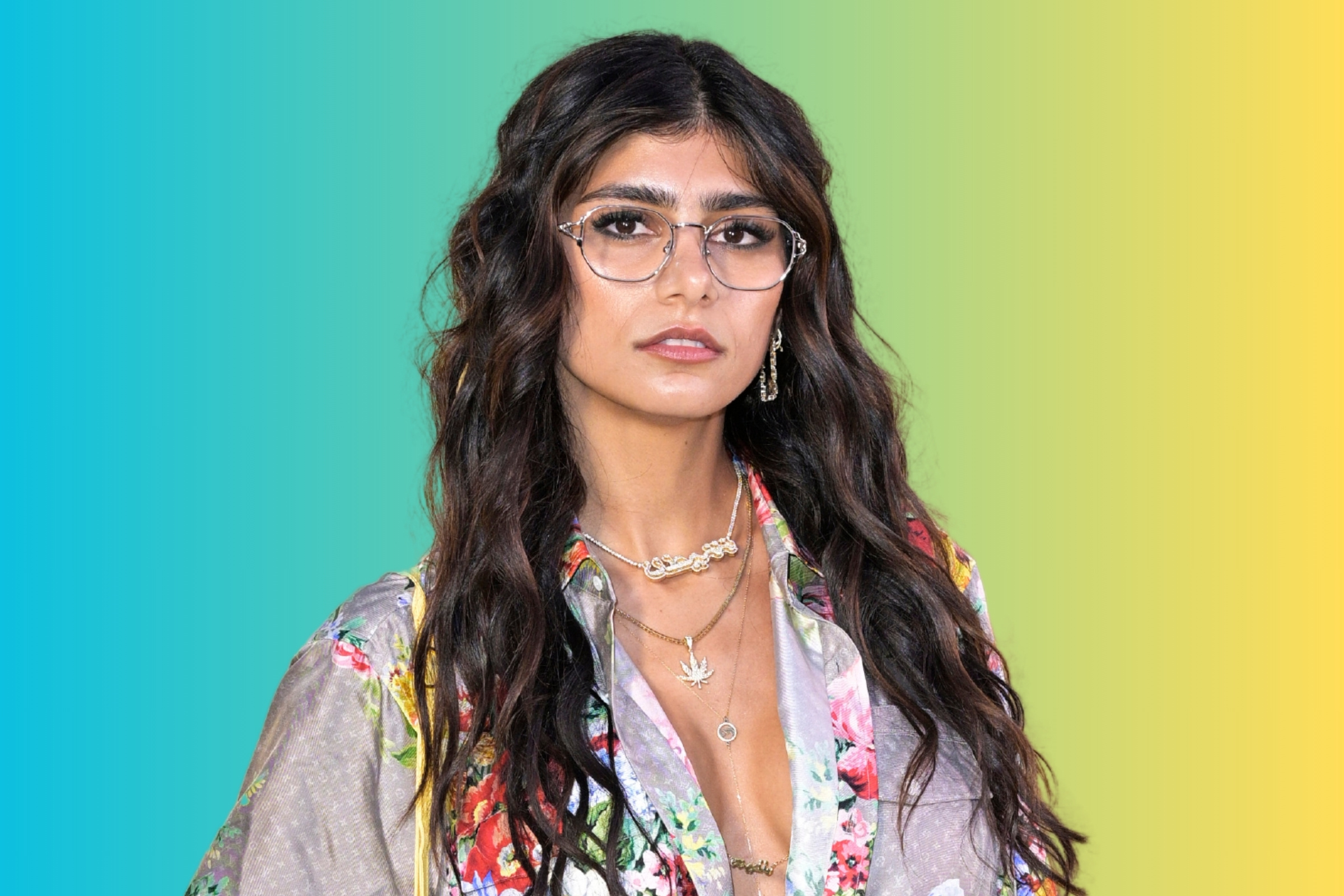
Faced with mounting pressure and escalating attention, Khalifa made the decision to leave the adult film industry entirely. At the time, the choice was not framed as a public statement or political stance—it was a personal boundary.
Since then, she has repeatedly clarified that leaving the industry was not about shame, but about recognizing that the costs outweighed any short-term benefits she had been promised or had imagined.
Her exit marked the beginning of a long process of redefining her public identity.
Building a Career on Her Own Terms
In the years following her departure, Khalifa transitioned into other forms of media work. She became an online personality, commentator, and influencer, collaborating with fashion brands, appearing at global events, and cultivating an audience around topics far removed from her early fame.
Crucially, she has spoken openly about the difference between working within systems where creators have little control and platforms that allow for autonomy over content, branding, and boundaries. According to Khalifa, this shift was not only creatively liberating but also financially sustainable in ways her earlier work had not been.
Her message is not that success is impossible in controversial industries—but that control matters.
Speaking Carefully in a Polarized Conversation
Khalifa’s public reflections have not been without backlash. When she speaks about the potential risks of entering the adult industry, some critics accuse her of hypocrisy or of reinforcing stigma against people who continue to work in that space.
She has acknowledged this tension directly.
In interviews, she has explained that discussing structural problems does not equate to judging individuals. Her intent, she says, is not to shame anyone for their choices, but to provide information that she herself did not have access to at a young age.
This distinction—between critique and condemnation—has become central to her advocacy.
“The Internet Is Forever”
)
If Khalifa’s advice could be reduced to a single phrase, it would be this: the internet does not forget.
Unlike earlier eras, where reputations could evolve quietly over time, today’s digital environment preserves content indefinitely. Images, clips, and headlines can resurface years later, detached from context and immune to personal growth or change.
Khalifa emphasizes that young people often underestimate this permanence. Decisions made under financial pressure, emotional vulnerability, or limited information can follow someone for decades.
Her warning is not dramatic—it is practical.